Imagine converting everyday organic waste into a powerful, eco-friendly fuel. That’s the remarkable innovation behind biomass briquettes—a solution reshaping waste management and supporting a cleaner energy future. Let’s explore how this transformation happens and why it matters.
Biomass: An Abundant Source of Renewable Power
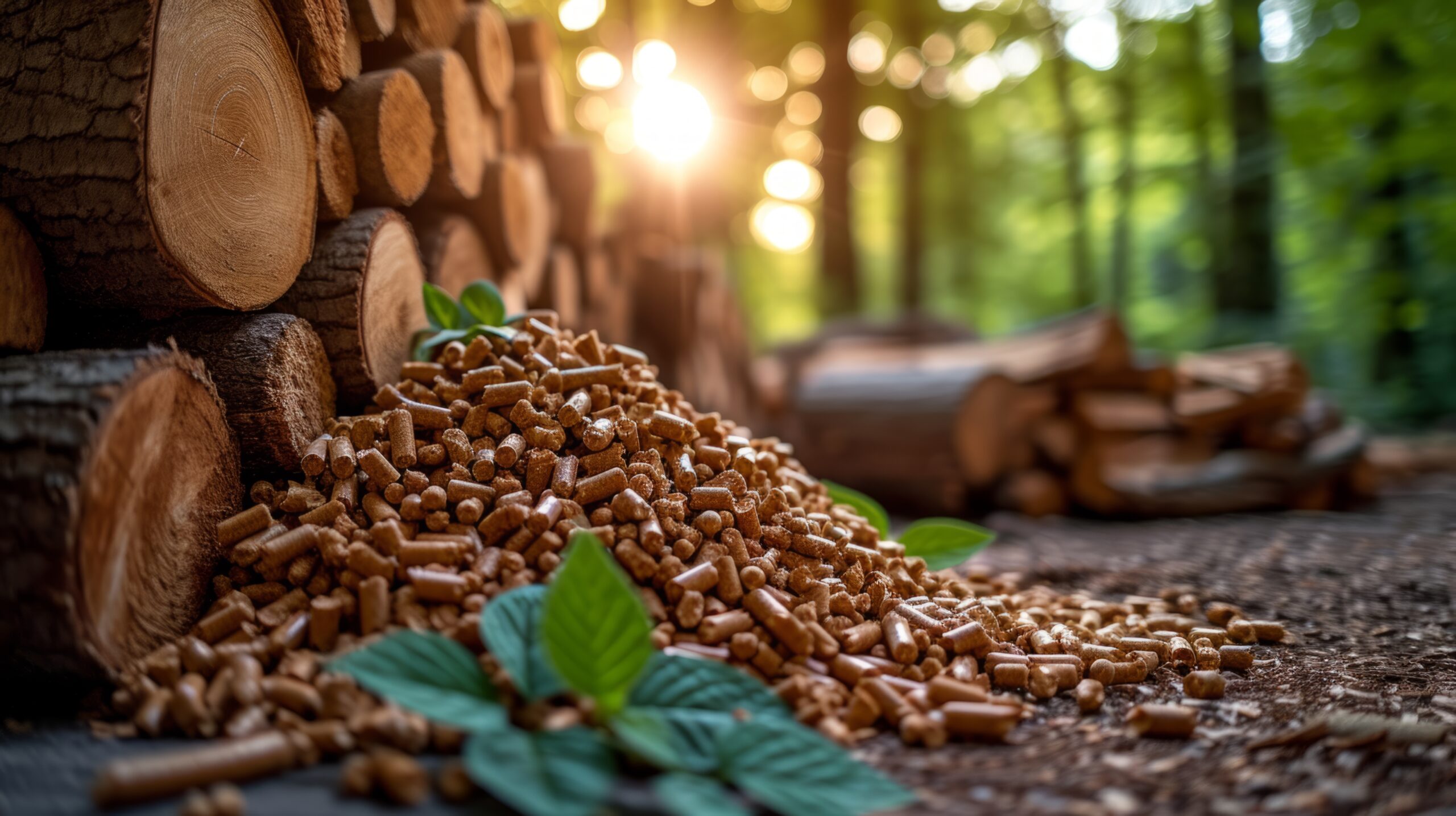
Biomass consists of organic leftovers such as agricultural residues (straw, husks, corncobs), forestry byproducts (wood chips, sawdust), and even biodegradable household waste. While often discarded, these materials hold tremendous value as a renewable and sustainable energy resource.
How Briquettes Are Made: Turning Organic Waste Into Dense Fuel Blocks
The journey from loose biomass to compact briquettes is both efficient and innovative. Here’s a simplified overview of the process:
• Preprocessing:
Collected biomass is dried and crushed into fine, uniform particles to ensure smooth burning and consistent briquette quality.
• Compression:
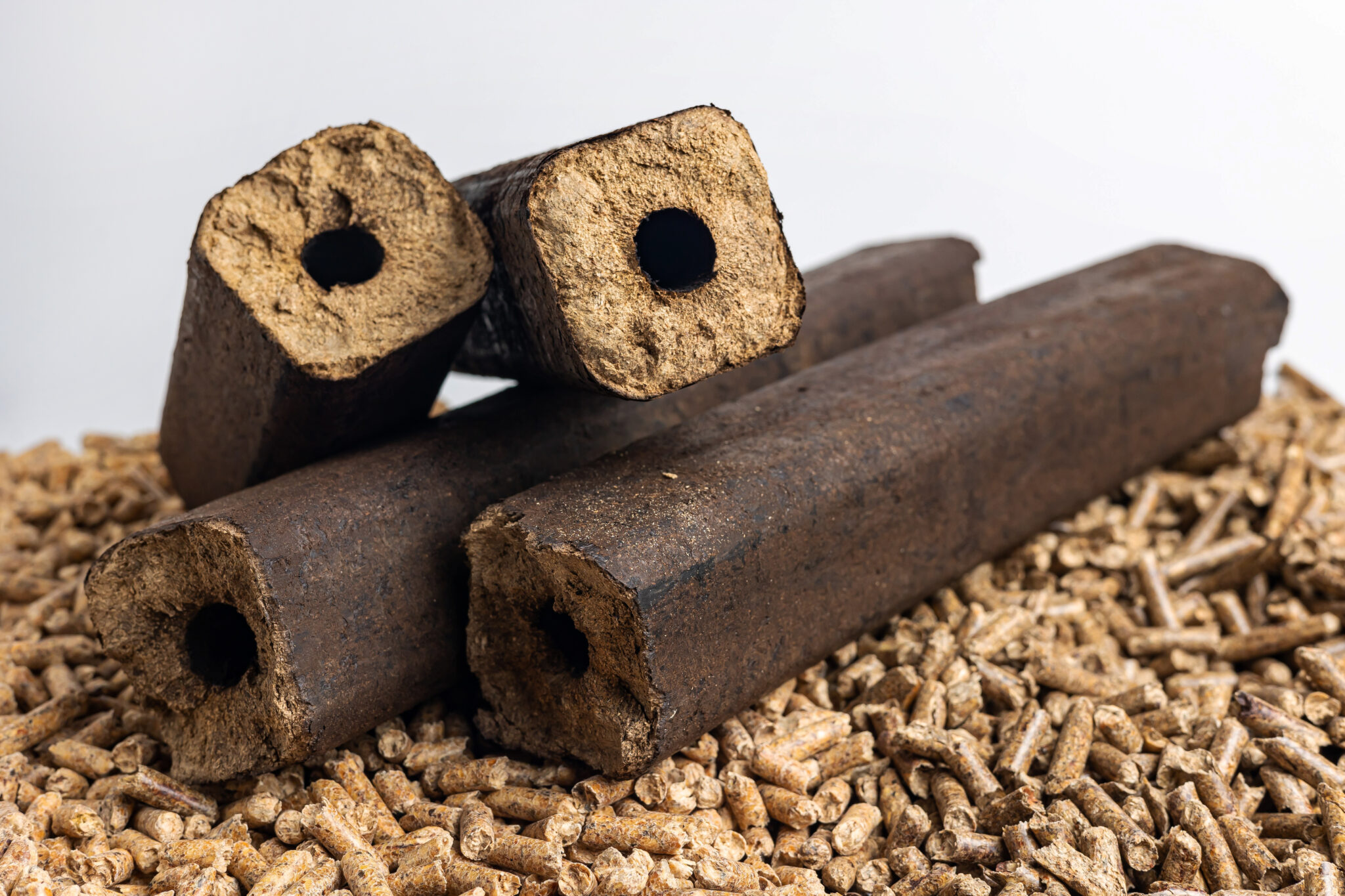
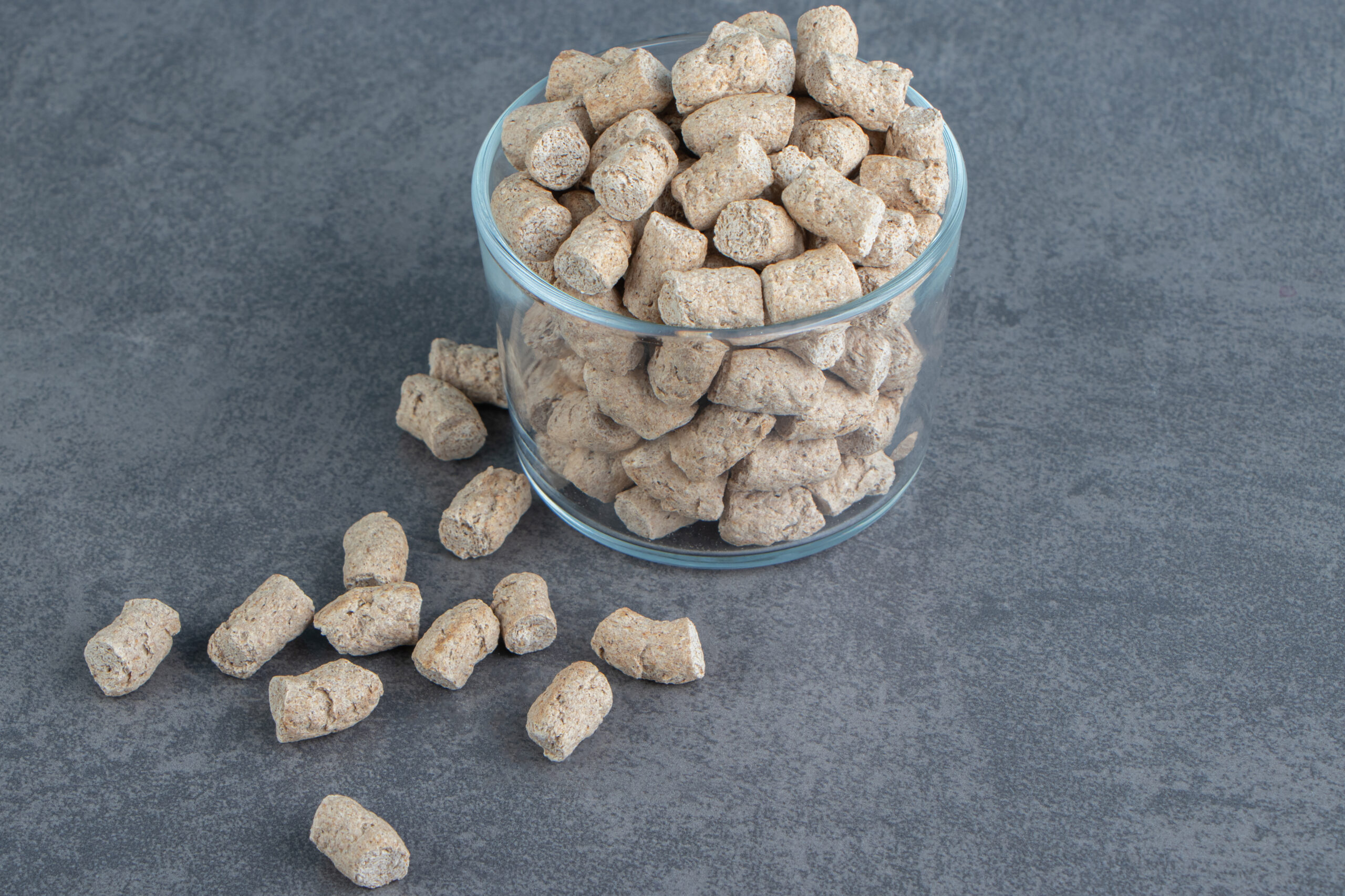
The prepared material is fed into a briquetting machine where it is pressed under intense pressure into solid shapes such as logs, blocks, or pellets.
• Natural Binding (Optional):
Sometimes, natural binders—like starch or molasses—are added to improve strength and stability.
• Final Drying:
The finished briquettes are dried to remove excess moisture, making them easier to store and ensuring efficient combustion.
Why Briquettes Stand Out: A Greener, Smarter Fuel Choice
Briquettes offer several key advantages compared to conventional fuels:
• Renewable and Sustainable:
Biomass is naturally replenished, supporting long-term energy sustainability.
• Lower Emissions:
Briquettes release fewer greenhouse gases than fossil fuels, helping reduce air pollution and carbon footprints.
• Effective Waste Utilization:
They transform waste that would otherwise end up in landfills into a useful energy product.
• High Energy Output:
With strong calorific value, briquettes burn steadily and produce significant heat.
• Economical:
Since biomass is often locally available, briquettes can be a cost-efficient alternative to traditional fuels.
Where Biomass Briquettes Are Used: Fueling a Range of Sectors
Biomass briquettes have versatile applications across various industries:
• Industrial Heating:
Used in sectors such as food processing, textiles, and brick manufacturing for clean, reliable heat.
• Power Plants:
Co-firing briquettes with conventional fuels helps reduce fossil fuel dependence.
• Household Heating:
Homes can use briquettes in boilers, heaters, and stoves as an affordable and eco-friendly heat source.
Looking Ahead: The Bright Future of Biomass Briquettes
Biomass briquettes are redefining how we manage waste and produce energy. With continued technological advancements and increasing awareness of environmental sustainability, their role in the global energy landscape is set to expand. Choosing briquettes means choosing cleaner energy and better waste management.