
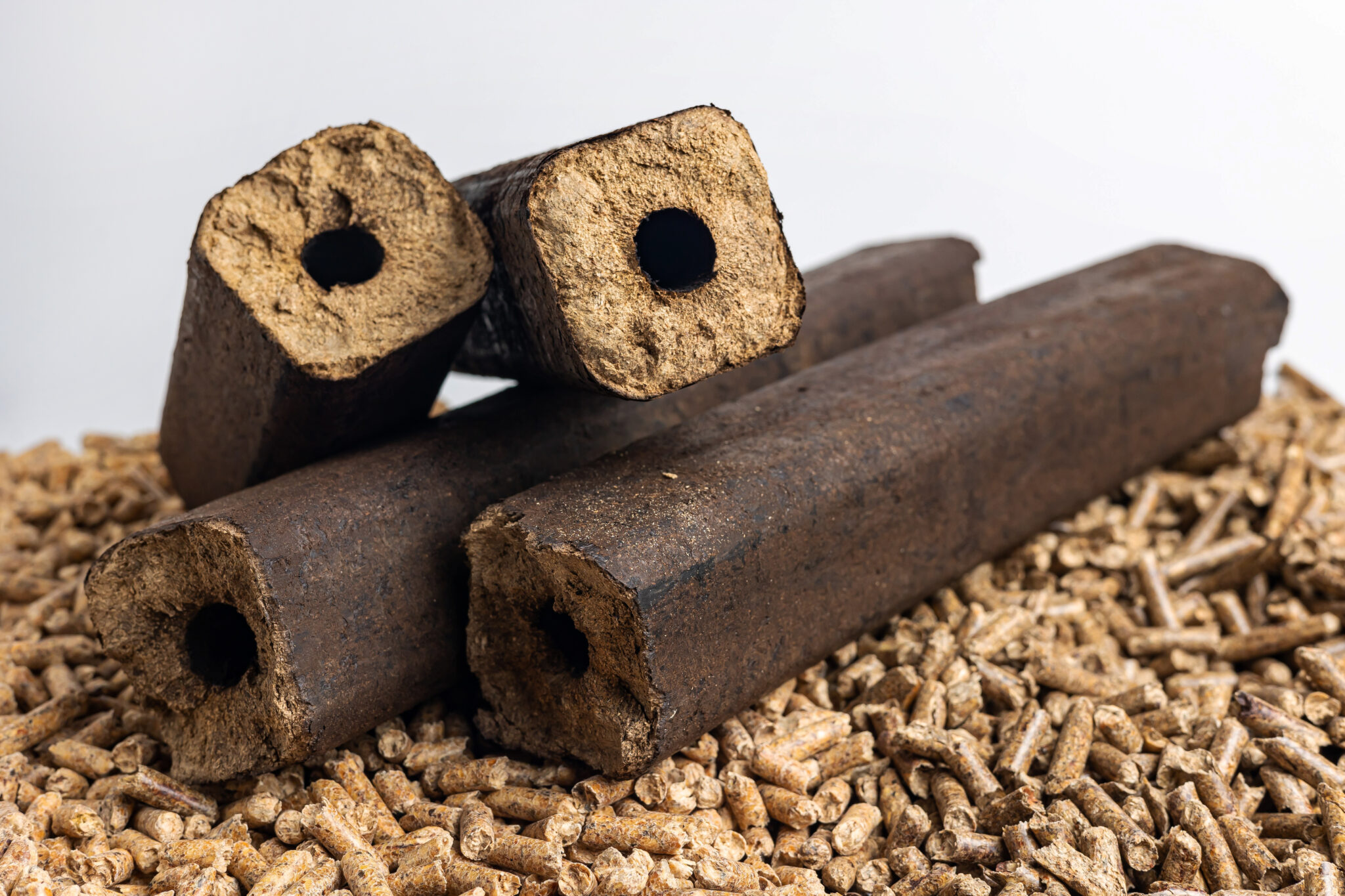
As the world shifts toward greener energy solutions, biomass briquettes are becoming a standout alternative to traditional fossil fuels. These renewable, clean-burning briquettes offer both environmental and practical advantages. Let’s explore what makes them an excellent choice for homes, businesses, and communities.
What Are Biomass Briquettes?
Imagine converting everyday organic waste into an efficient fuel source—that’s exactly what biomass briquettes do. These compact, cylinder-shaped or block-shaped fuels are created from materials such as sawdust, crop residue, woodchips, straw, and nut shells. Using high pressure or natural binders, the biomass is compressed into durable briquettes that are easy to handle, store, and use.
Why Biomass Briquettes Are Environmentally Friendly
Biomass briquettes provide several ecological benefits:
• Renewable Resource:
Unlike fossil fuels that take millions of years to form, the materials used for briquettes regenerate continuously, ensuring a steady, sustainable supply.
• Lower Carbon Footprint:
While briquettes emit carbon dioxide when burned, it forms part of the natural carbon cycle. Plants absorb CO₂ during growth, offsetting the emissions released during combustion. Compared to coal and other fossil fuels, briquettes significantly reduce greenhouse gas contributions.
• Effective Waste Management:
Agricultural and organic waste often ends up in landfills, where it releases methane—a highly potent greenhouse gas. Transforming this waste into briquettes helps cut landfill usage and turns discarded material into a valuable energy resource.
Benefits and Uses of Biomass Briquettes
Biomass briquettes not only help the environment—they’re practical and economical too:
• Cost-Effective:
In areas rich in biomass resources, briquettes offer a budget-friendly alternative to conventional fuels.
• Clean, Efficient Combustion:
They burn with minimal smoke, soot, or residue, contributing to cleaner air and a healthier environment.
• Easy Storage and Transportation:
Their uniform shape and compact size make handling, storing, and transporting them far more convenient than firewood or loose biomass.
• Wide Range of Applications:
Briquettes can be used in fireplaces, stoves, boilers, industrial furnaces, and various heating systems.
Different Types of Biomass Briquettes
Depending on the raw materials used, briquettes come in several varieties:
• Sawdust Briquettes:
Made from compressed wood waste, commonly used for industrial heating.
• Wood Briquettes:
Produced from wood byproducts like chips and sawdust, these briquettes burn consistently and emit fewer carbon pollutants—ideal for both homes and industries.
• Fuel Briquettes:
Created from agricultural residues, forestry waste, or industrial byproducts, these briquettes serve as a clean and affordable alternative to coal, wood, or gas for heating, cooking, and industrial processes.
Are Biomass Briquettes the Right Choice for You?
Biomass briquettes can be a great option if you’re seeking a greener, more economical heating solution. They are suitable for:
• Homeowners:
Enjoy clean, consistent heat with a reduced environmental impact.
• Businesses:
Lower operational costs while adopting environmentally responsible heating solutions.
• Communities:
Support eco-friendly development through community-based heating projects and sustainability programs.
Getting Started with Briquettes
Before making the switch, ensure your existing equipment—such as stoves, boilers, or furnaces—is compatible with briquette fuel to maximize efficiency and performance.
Conclusion
As the push for cleaner and renewable energy grows, biomass briquettes have emerged as a vital player in the transition toward sustainable power. Offering affordability, efficiency, and significant environmental benefits, they are well-suited for households, industries, and governments aiming for greener operations. By choosing biomass briquettes, we take a meaningful step toward a healthier planet and a more sustainable energy future.