
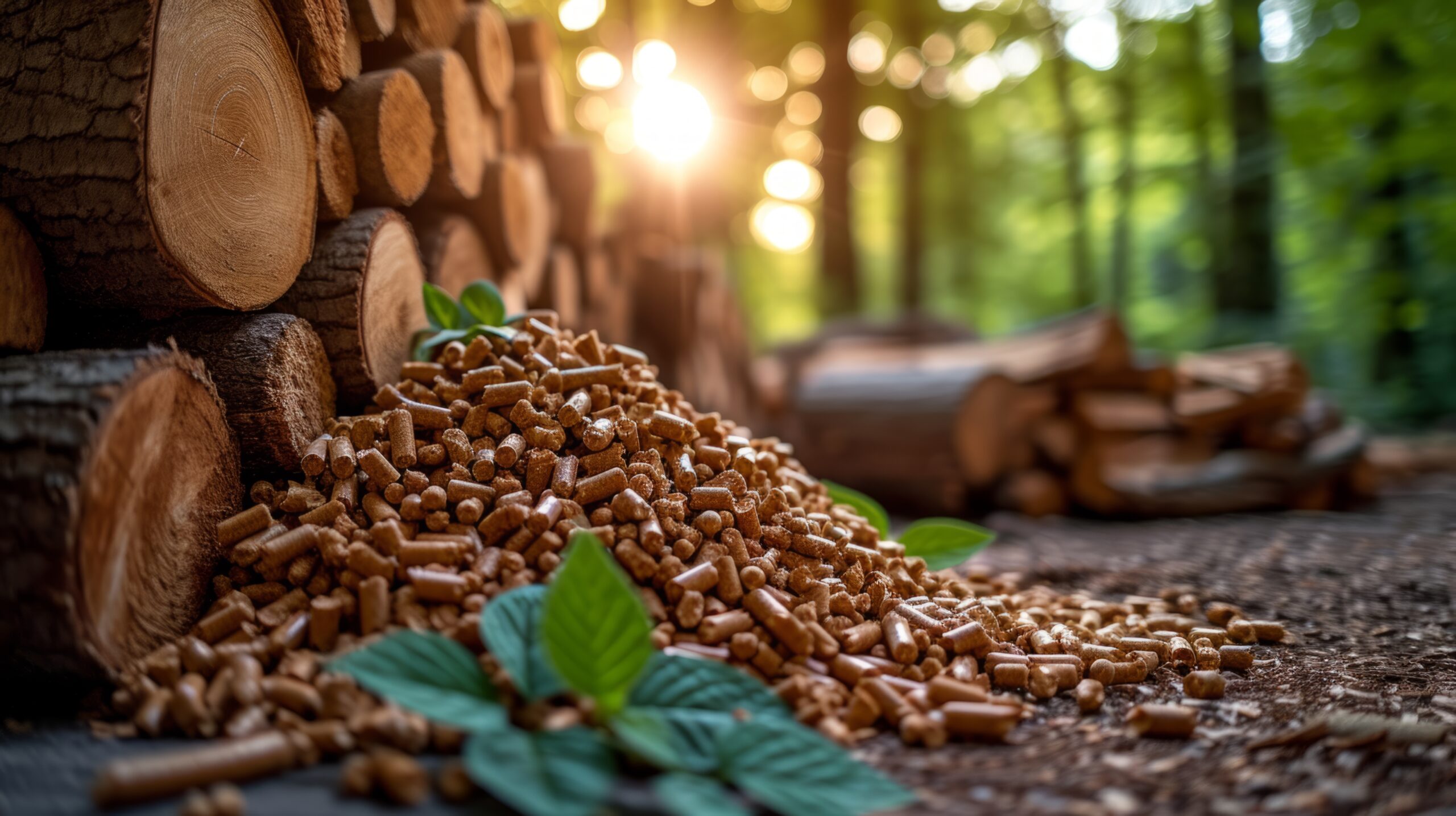
As the world seeks solutions to reduce environmental harm, transitioning to cleaner-burning fuel sources is more important than ever. Briquettes—compact blocks made from compressed organic waste—are becoming a promising alternative. Here’s how they compare to conventional fuels and why they may be a smarter choice for sustainable energy use.
Traditional Fuels: Reliable but Environmentally Heavy
• Coal:
Widely used in various industries, coal provides dependable energy but emits large amounts of sulfur dioxide, carbon dioxide, and other harmful pollutants, contributing to global warming and acid rain.
• Fuel Oil:
A common industrial fuel that produces high heat, yet it also releases greenhouse gases and pollutants during combustion.
• Natural Gas:
Though cleaner than coal and oil, natural gas still contributes to greenhouse gas emissions when burned.
Briquettes: The Cleaner, Renewable Alternative
• Derived from Biomass:
Briquettes are made from agricultural byproducts such as sawdust, leaves, and crop residues. This makes them renewable, unlike fossil fuels that are depleting natural resources.
• Reduced Emissions:
Burning briquettes results in significantly lower emissions of pollutants and greenhouse gases. The carbon released during combustion was originally absorbed by the plants used to produce them, creating a near carbon-neutral cycle.
• Supports Waste Reduction:
Briquette production repurposes agricultural waste that would otherwise decompose in landfills and emit methane—a highly potent greenhouse gas.
More Than Clean Fuel: Other Advantages of Briquettes
• Economical:
In areas with plentiful biomass, briquettes can offer a cost-effective alternative to fossil fuels.
• Efficient Combustion:
They burn steadily and uniformly, providing consistent heat output.
• Beneficial Ash:
The ash left after burning can enrich soil and improve its nutrient content.